
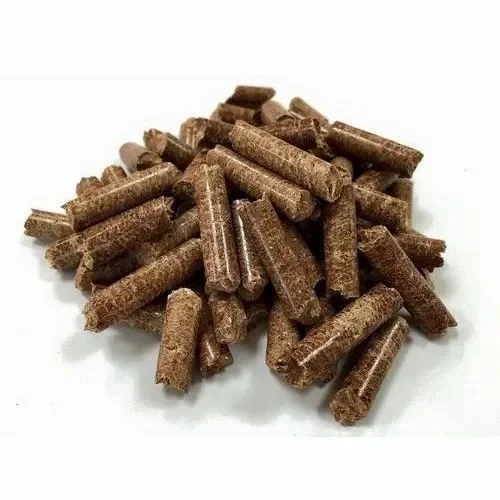
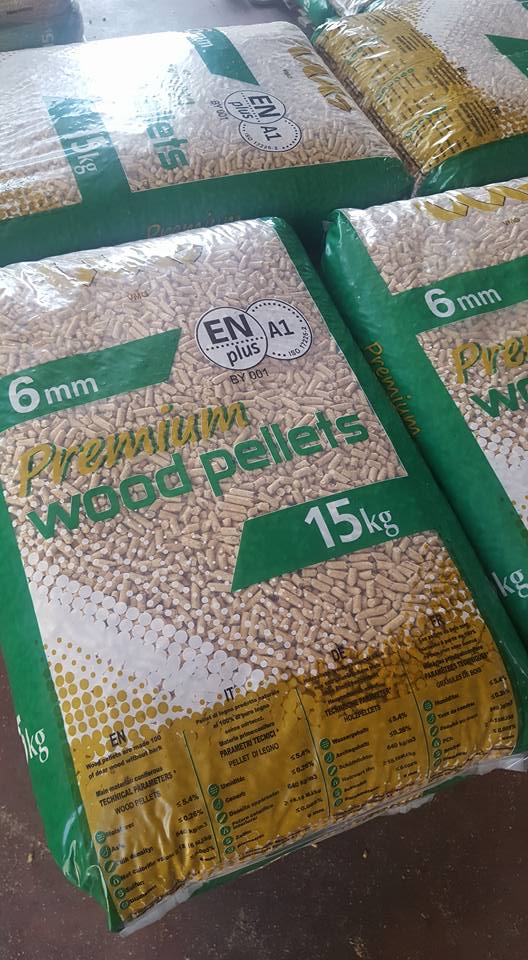
Premium Wood Pellets – ENplus A1 Grade Biomass Fuel
High-Quality ENplus A1 Wood Pellets for Sale
Automated Heating Solutions with Premium Pellets
Sustainable and Eco-Friendly Wood Pellets
- Material: 100% virgin wood sawdust and shavings
- Diameter: 6 mm / 8 mm
- Length: 3.15 mm to 40 mm
- Moisture Content: < 8%
- Calorific Value: > 17.5 MJ/kg
- Ash Content: < 0.5% (A1 grade equivalent)
- Bulk Density: > 600 kg/m³
Hardwood vs Softwood Wood Pellets A1:
hardwoods like maple, oak, birch and ash. And we all know that putting softwoods like pine, fir and
European Wood Pellet Consumption:
The majority of the consumption went to heat production, representing 61,8%. Pellet consumption for heat can be further divided into three markets – residential heating (69%), commercial heating (19%) and heat generated from CHP (12%). The remaining 38,2% of wood pellets were used for power production. It should be noted that the technologies for producing energy out of pellets for heat, electricity or both, are mature, offering efficient and reliable processes.
The Benefits of Wood Pellets A1
If you want to get a reliable source of heat, save money and help protect the environment, biomass wood pellets make a great choice. When the pellets burn, they release the same amount of carbon dioxide that the wood biomass absorbs during its growth, making them carbon neutral.
Excellent pellet quality is essential to attain a constant and optimal heating process. As different fuel qualities exist, it is essential for stove and boiler owners to choose the right quality fuel that fits best with their installations.
The use of pellets for producing heat remained a strong sector in the EU. The use of pellets for electricity
From heating to horse bedding: Wood Pellets A1 uses
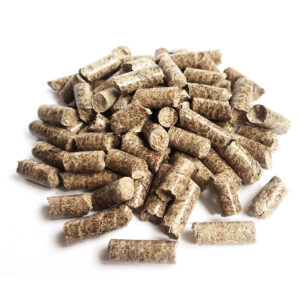
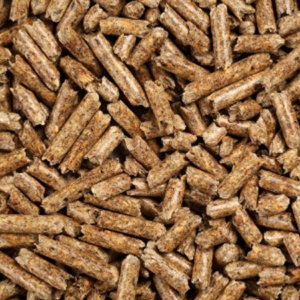
A small and compact product that tackles some big challenges, our pellets are a true force of nature. About the height of a bottle cork, they are an energy-rich, low-ash, low-moisture and clean-burning heating source for wood pellet heaters and boilers in residential, commercial and large-scale industrial heating applications.
Our Wood Pellets A1 also make a natural and comfortable choice for equine bedding. They are highly absorbent, drastically cut mucking out time, reduce bedding consumption, and are easy to store and transport.
Storage:
For best longevity, wood pellets should be stored indoors. Humid locations may require a dehumidifier. When stored properly pellets can have a shelf life of over two years, but ideally are used within a six month period. At Europe Pellets we are able to store pellets outside because of our high turnover rate, so no ton of pellets is outside for more than a month or two.
Water will destroy wood pellets. Wood Pellets bags are not waterproof. Each bag contains small hair holes to allow the pellets to breath. Take special care to prevent water absorption.
Wood Pellets by the pallet will come covered with a UV resistant bag/hood which is effective for up to 12 months. Do not remove the bag/hood until the pellets will be used.
The acceptance of raw material acceptance and storage: Wood Pellets A1
The product is performed on the plant territory.
Raw material acceptance site is made of concrete slabs.
Railway feeder comes to the site which can be used for raw material delivery. Access routes for trucks are also available.
Raw material storage site consists of storage area and area of raw material immediate supply to processing.
Transport unloading is executed by a wood loader on base of excavator LIEBHERR A 924 В.
Unloading runs into storage areas or directly to the working area of wood supply to processing.
Timber quality and quantity acceptance is carried out on site along with radiological control.
Pellet fuels (or pellets) are biofuels made from compressed organic matter or biomass. Pellets can be made from any one of five general categories of biomass: industrial waste and co-products, food waste, agricultural residues, energy crops, and virgin lumber.
Wood pellets are the most common type of pellet fuel and are generally made from compacted sawdust and related industrial wastes from the milling of lumber, manufacture of wood products and furniture, and construction. Other industrial waste sources include empty fruit bunches, palm kernel shells, coconut shells, and tree tops and branches discarded during logging operations. So-called “black pellets” are made of biomass, refined to resemble hard coal and were developed to be used in existing coal-fired power plants.
Pellets are categorized by their heating value, moisture and ash content, and dimensions. They can be used as fuels for power generation, commercial or residential heating, and cooking. Pellets are extremely dense and can be produced with a low moisture content (below 10%) that allows them to be burned with a very high combustion efficiency.
All European heating equipment is supplied with technical data sheets indicating biofuel parameters to achieve the highest possible efficiency and efficient operation. There are often cases when the cause of failure of pellet boilers was the supplier of poor-quality pellet fuel. That is why consumers pay close attention to the quality of wood pellets.
The company applies to environmentally friendly raw materials for pellet production, supplied under contracts with the state forestry of Ukraine. This gives us the opportunity not only to guarantee the stability of quality indicators, but also to give guarantees of the stability of the delivered product volumes. This type of cooperation predetermines the unconditional fulfillment of our obligations to counterparties.
Each released batch of our wood pellets corresponds to specially developed and approved technical conditions which makes our pellets competitive in both domestic and foreign markets. The ash content of our pellets is within 1% that allows one to use them for heating of private houses.
Diameter 6 mm;
Ash content up to 1 %;
Humidity up to 9%;
Bulk density 630 kg/m3;
Abrasion – up to 3 %;
Calorific content: 4600 kcal / kg.
Production techniques:
The raw material enters the crusher, which is reduced to the state of flour. The resulting mass is fed into the dryer from it – in a pellet press in which a compressed wood flour pellets. Compression during pressing increases the temperature of the material, lignin, contained in wood particles soften and stick together in a tight cylinder. To produce one ton of pellets takes about 2.3 -2.6 cubic meters of waste wood, plus 0.6 cubic meters of sawdust is burned per tonne of production.
The final pellets are cooled, packed in different packaging – from small 15 kg packages to big-bags (big industrial packing) weighing 1,1 st ton – or delivered to the consumer in bulk.
A pellet stove is a stove that burns compressed wood or biomass pellets to create a source of heat for residential and sometimes industrial spaces. By steadily feeding fuel from a storage container (hopper) into a burn pot area, it produces a constant flame that requires little to no physical adjustments.
The efficiency of a pellet stove can be as high as 90% or more. … This is more than a classic wood-burning stove, with an efficiency of only 40 to 50% (60 to 80% for recent high-efficiency stoves) and much more than an open fire, with an efficiency of 5 to 15%.
Pellet stoves can only burn wood pellets (as Jodi mentioned) or biofuels such as dried corn (depending on the actual model). It would not be wise to try to burn logs or sticks inside a pellet stove, because of how a pellet stove actually works.
Reviews
There are no reviews yet.